
 By
By 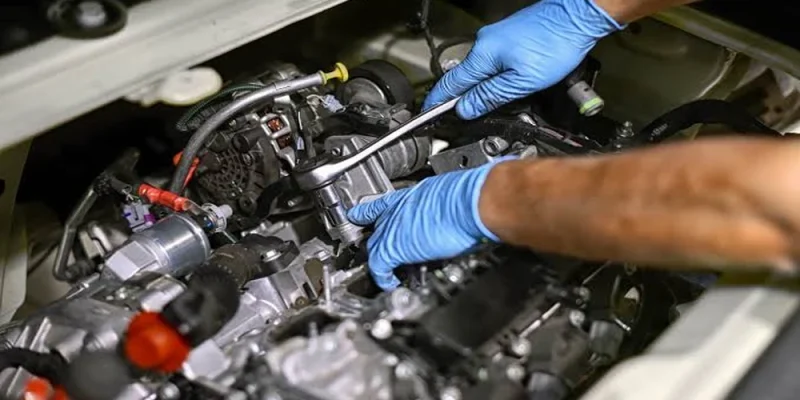
An old radiator can affect your car’s fuel efficiency through several connected engine problems. The connection is not always direct but it can become important over time. Now regular cooling system care can help prevent unnecessary fuel usage and engine stress. If cooling concerns appear then Auto Repair in Fairbanks, AK service can help identify related problems. A professional inspection can reveal whether radiator wear is affecting overall engine performance.
How an Old Radiator Changes Engine Temperature
The radiator removes excess heat from engine coolant before circulation continues through the system. An aging radiator may struggle to transfer heat away from coolant efficiently. Blocked passages can reduce coolant movement and create uneven temperature control. Damaged fins can also reduce airflow across the radiator surface during normal driving. When temperatures rise beyond normal levels the engine management system may adjust performance. These adjustments can influence fuel delivery and combustion efficiency during everyday driving.
Poor Cooling Can Affect Engine Efficiency
The engine needs suitable operating temperatures to burn fuel efficiently during different driving conditions. When cooling becomes unreliable combustion may become less consistent under certain operating conditions. The engine computer continuously monitors temperature through several important sensors. MTR Transmission can inspect the cooling system and identify problems affecting engine temperature. Proper diagnosis can prevent minor radiator problems from becoming larger engine concerns.
Radiator Problems Can Increase Engine Strain
An aging radiator can create additional strain when coolant circulation becomes restricted. The water pump may work harder when coolant flow faces unnecessary resistance. The cooling fan may also operate more frequently when temperatures remain elevated. These components require energy from the engine or electrical system during operation. Extra mechanical and electrical demand can slightly influence overall vehicle efficiency. The effect may seem small but it can become noticeable over longer periods. Heavy traffic can make this issue more apparent because airflow remains limited.
Warning Signs That Deserve Attention
Several warning signs can suggest that an aging radiator needs professional inspection. Rising temperature readings can indicate reduced cooling performance during normal driving. Frequent coolant loss may also suggest leaks around the radiator or nearby connections. Visible corrosion can weaken radiator surfaces and create future leakage problems. A sweet coolant smell around the engine compartment should also receive attention. MTR Transmission can examine radiator condition while checking hoses fans coolant and related components.
Maintaining Fuel Efficiency Through Proper Cooling
The cooling fan should operate correctly whenever additional airflow becomes necessary. Now these checks can help maintain dependable temperature control across different driving conditions. Proper maintenance may also reduce the chance of overheating and expensive engine damage. MTR Transmission can provide cooling system inspections when radiator performance appears uncertain. The radiator may not control fuel consumption directly but its condition still matters.



Comments