
 By
By 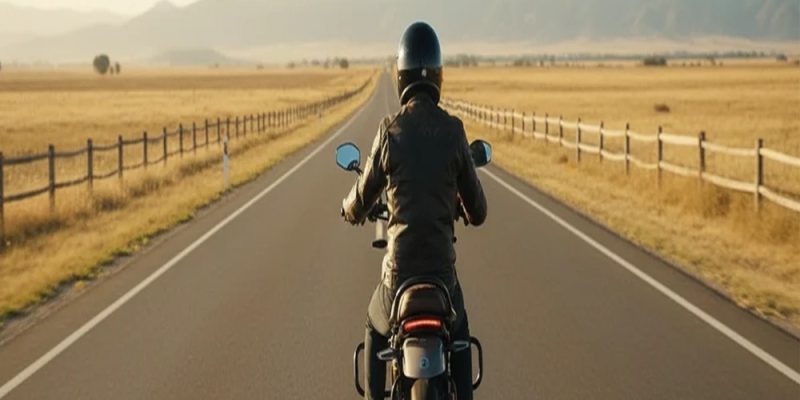
Solo cross-country riding through India puts you face-to-face with mountain passes, desert highways, and monsoon roads all in one journey. That kind of adventure demands real preparation. A missed check before departure can turn a dream ride into a roadside ordeal. This checklist covers everything you need to review before your first kick-start: your motorcycle, your gear, your documents, and the emergency kit every solo rider should carry.
Start With Your Two Wheeler Tyre
Inspect both tyres carefully before leaving. Check for uneven tread wear, visible cracks, cuts, or embedded objects. Also, examine the sidewalls for bulges or damage that may affect stability during long rides.
Tyre pressure is equally important. Under-inflated tyres can affect handling, braking, and fuel efficiency, especially on highways or fully loaded motorcycles. Always check tyre pressure when the tyres are cold, before starting your ride.
If your motorcycle uses tubeless tyres, carry a portable inflator and puncture repair kit. Riders using tube-type tyres should pack spare tubes and basic tyre tools for emergency roadside repairs.
Choosing the Right Two-Wheeler Tyre for Long Rides
Long-distance rides across highways, changing weather conditions, and uneven road surfaces place additional demands on motorcycle tyres. Riders usually look for tyres that offer stable highway handling, dependable wet grip, and durability across mixed terrain.
For motorcycles using 150/60 R17 rear tyre fitments, Eurogrip’s Protorq Extreme is one of the options available for sport-touring and highway riding. The radial construction and zero-degree steel belt are designed to improve stability during sustained high-speed riding, while the tread compound balances grip and durability for long-distance use.
The tyre is compatible with motorcycles such as the Bajaj Dominar 400, KTM Duke range, KTM RC 390, and Mahindra Mojo. Riders can compare specifications, riding requirements, and fitments across Eurogrip’s wider two-wheeler tyre range before making a decision.
Brakes, Fluids, Chain, and Electrics
Work through each of these before you leave:
- Brakes: Both levers should feel firm and solid. Check that brake pads have enough thickness remaining.
- Fluids: Top up engine oil. If your bike is liquid-cooled, also check coolant levels, since a low coolant level risks engine overheating on extended rides.
- Chain: The chain should be clean, well-lubricated, and tensioned with a small amount of give but no excessive slack.
- Lights and horn: Test your headlamp on both beams, your taillight, all indicators, and your horn. Pack spare fuses and bulbs.
- Cables: Run your fingers along throttle and clutch cables, checking for any fraying. Carry a spare cable for each.
Gear, Documents, and Emergency Essentials
| Category | What to Carry |
| Safety gear | Full-face helmet (DOT or ISI certified), CE-rated jacket with armour padding, riding gloves, high-ankle boots |
| Documents | Driving licence, RC, insurance policy, PUC certificate in a waterproof pouch with DigiLocker digital backups |
| Emergency tools | Puncture repair kit, zip ties, duct tape, adjustable wrench, spark plug spanner |
| Health and hydration | First-aid kit with antiseptic, personal medication, ORS sachets, 2 to 3 litres of water |
Add reflective strips to your jacket and luggage panniers for visibility during night riding or low-light conditions on remote stretches.
Before the Open Road Calls Your Name
Before starting a long solo ride, give yourself enough time to properly inspect the motorcycle and complete a short test ride after servicing. Tyres, brakes, lights, fluids, and riding gear all play an important role once you are hundreds of kilometres away from familiar roads or service support.
Good preparation does not guarantee a problem-free trip, but it significantly reduces the chances of avoidable breakdowns and safety issues. Regular inspections, quality riding gear, and tyres suited to long-distance touring help make cross-country riding more comfortable, predictable, and enjoyable across changing Indian road conditions.

Comments